My story
Three loves, in the order they showed up: cricket, investing and building.
First, I wanted to be a cricketer.
For a long time, the plan was cricket. I played under-14 for KSCA, then the under-16 and under-19 zonals, as an all-rounder because picking just one never felt right.
Then I got practical, and chose my next love.
When it was time to be practical about life, I turned to the other thing I’d loved since I was a kid: markets. It started in front of the TV. At market close, my mother would watch the NDTV ticker for the shares she owned. I was ten and full of questions, and she answered every one. At fourteen, she handed me Hindustan Unilever’s annual report and showed me how to read the balance sheet, the income statement and the cash flow statement, and how the three connect.
My dad taught me the business side.
He showed me how businesses actually work. I was the kid who asked why there were so many McDonald’s, and then why there wasn’t an Indian McDonald’s. Every answer led to another question.
In 2018, I put my own money in.
I started investing in college, with my own savings, while I studied finance. The first lesson markets taught me has stuck ever since: do your own research. Tips are cheap. Understanding the company is what pays.
I learned how money decisions really get made.
I did equity research at Das Capital, building valuation models by hand, and credit risk at ANZ Bank, where I underwrote loans for companies.
Then I stumbled into Yulu, and fell for building.
I joined Yulu almost by accident, on finance and strategy, and ended up building subscription pilots for its fleet partners. The part I loved most wasn’t the analysis. It was building the thing. That’s when this product manager was born.
Since then: a finance brain with a builder’s hands.
- At Stripe, I built an AI underwriting agent that cut turnaround from about three hours to one.
- At Riverline, I redesigned how we reached overdue borrowers, and recovery on accounts more than 600 days overdue went from 2.3% to 7.8%.
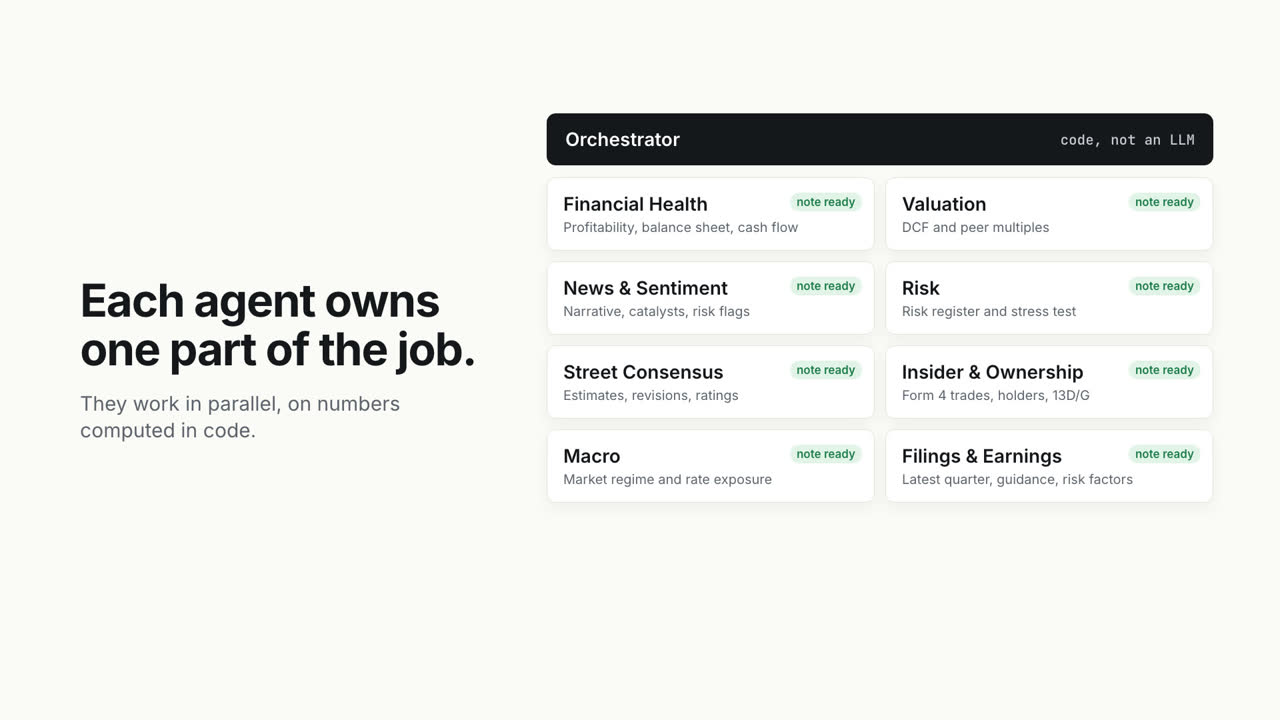
- Now, at NextAlpha AI, I lead InvestorAI, an assistant that went from zero to live inside three Indian broker apps in three months.